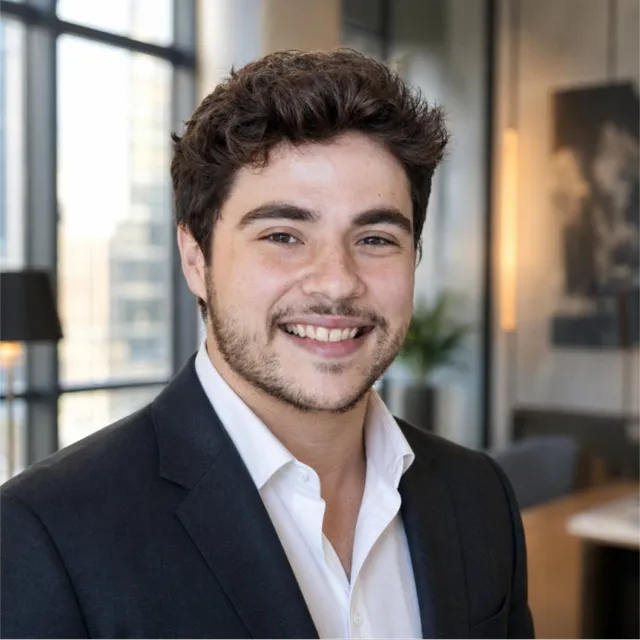
Victor Manuel Iglesias, instructional designer

Instructional design · built to ship

Victor Manuel Iglesias

I design online courses and build the tools that make designing them faster.

  • FIU Online · since 2019
  • Creator of CourseKit
  • QM Peer Reviewer
Open to select ID + AI build work · Miami / remote

Eight artifacts across course-quality tooling, immersive learning, accessibility, scalable course design, faculty development, and scholarship. Each names the competency it demonstrates, with the reflection and impact behind it.

Artifact 01 of 8 · Flagship · CourseKit

Prepping a course for Quality Matters used to mean hours of manual review.

Instructional designers check every course against 44 standards by hand: slow, repetitive, easy to miss. So I built the tool I wanted on the job.

What I built

CourseKit: browser-first, privacy-first tooling that helps instructional designers prep courses for Quality Matters. Three tools:

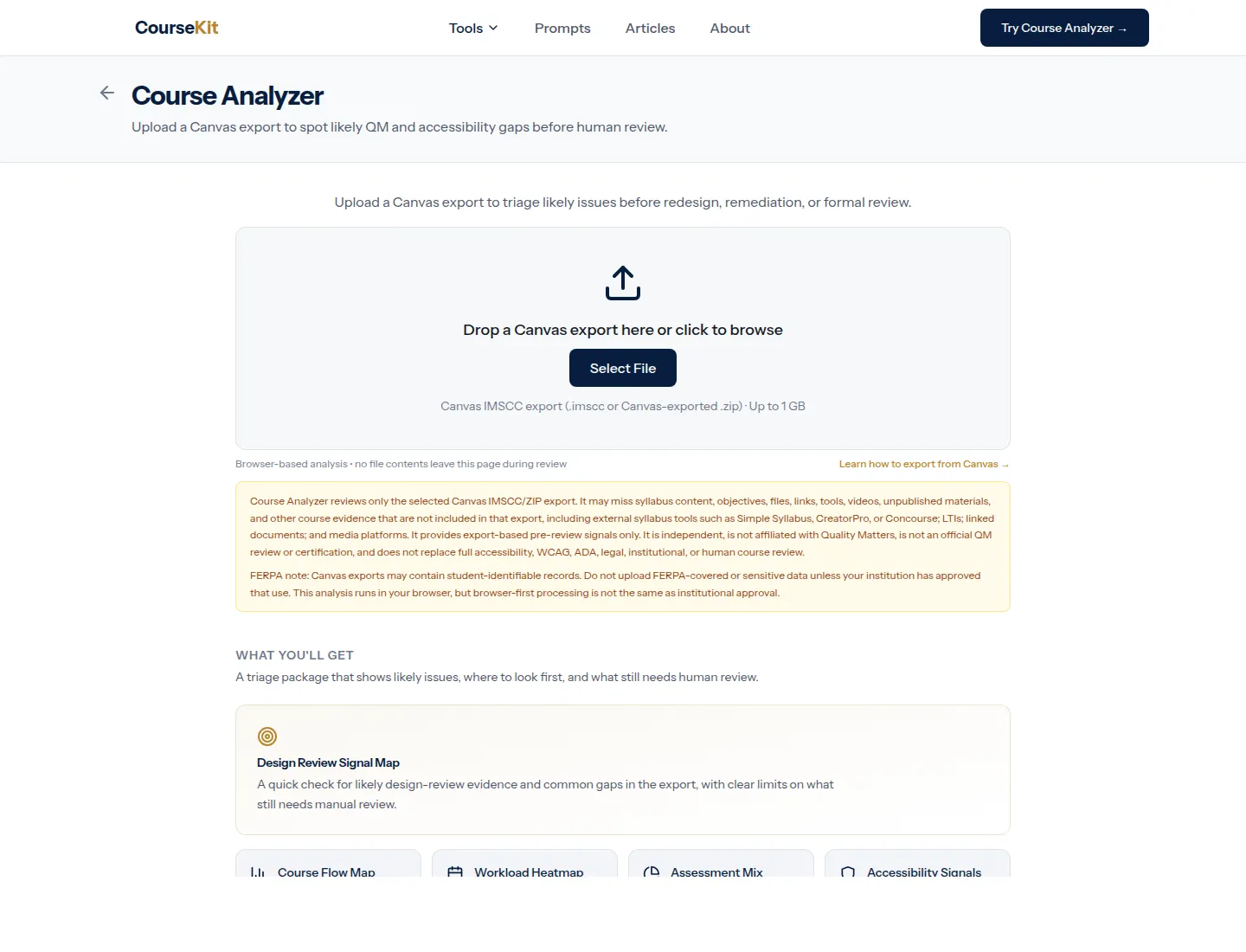
  • Course Analyzer: readiness across the 44 QM standards, plus a course alignment map.
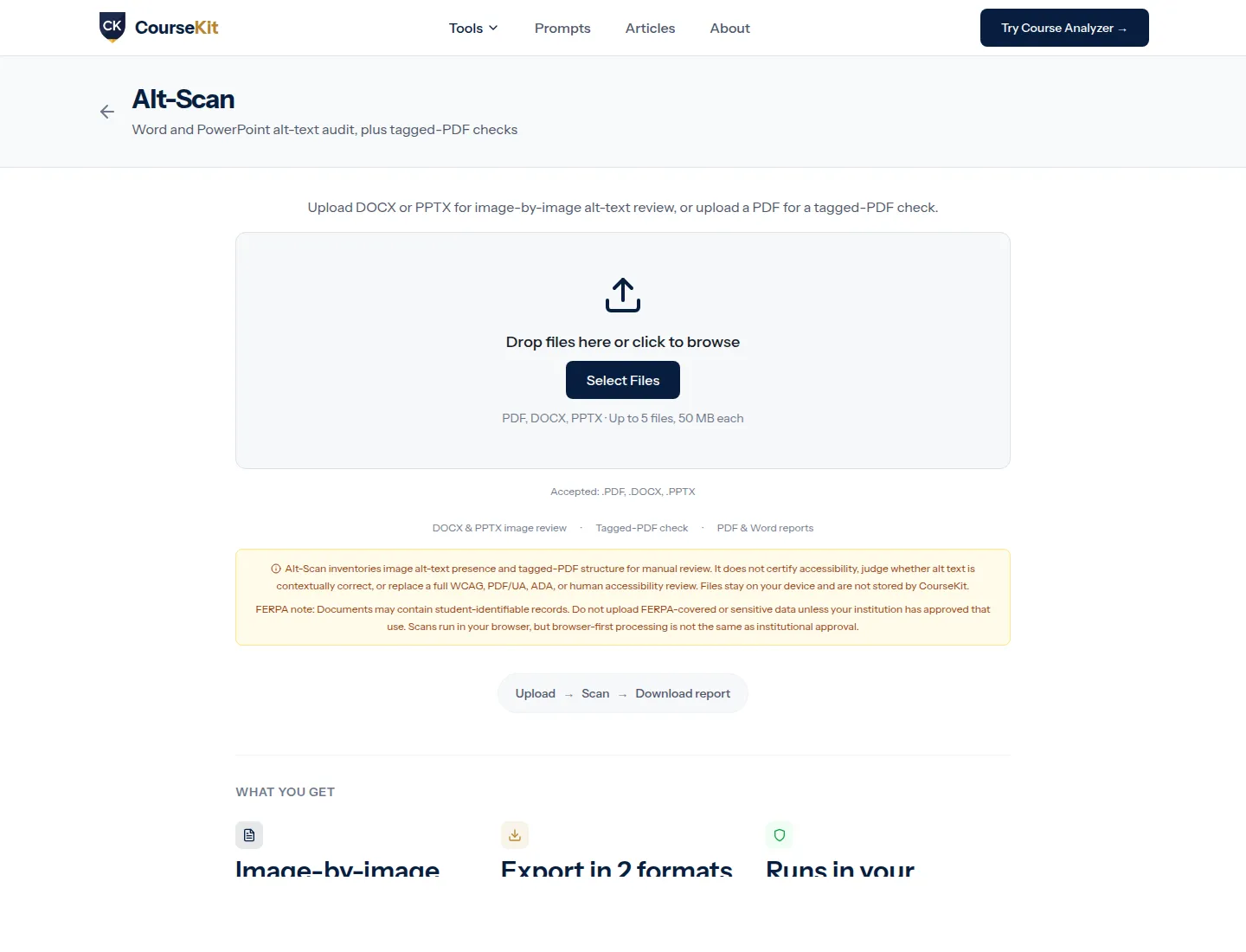
  • Alt-Scan: an accessibility scan that catches issues early; it began as a Python tool I presented at the FIU Online ID Expo 2025, which seeded the browser version.
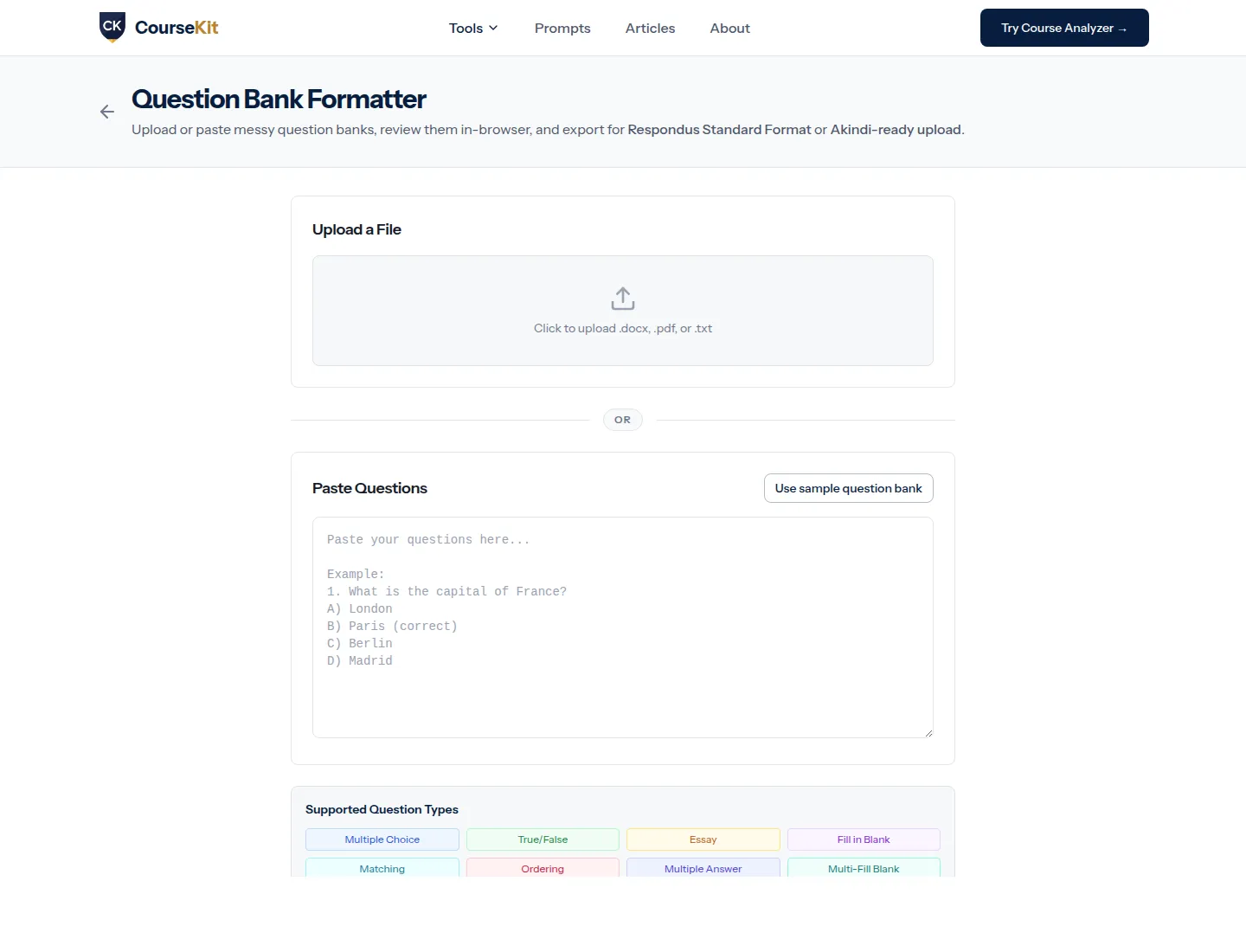
  • Question Bank Formatter: clean, import-ready question banks from messy sets.

The Quality Matters Rubric

Every online course, measured against 44 standards.

The Quality Matters Rubric is 8 General Standards made of 44 Specific Review Standards. I review courses against all 44 as a QM Peer Reviewer, and I've certified 20+ courses against the rubric.

The full rubric is published by Quality Matters.

CourseKit Course Analyzer upload screen, where an instructional designer drops in a course export to begin a Quality Matters readiness review.
Drop in a course export to start a readiness review against the 44 QM standards.
The CourseKit board showing its three tools together: Course Analyzer, Alt-Scan, and Question Bank Formatter.
Course Analyzer, Alt-Scan, and the Question Bank Formatter: the three tools on one board.
  • I calibrated it against real, human-reviewed courses, so its readouts track how a QM reviewer actually scores.
  • I submitted it for institutional security and privacy (HECVAT) review.
  • In active useat FIU for QM prep
  • Browser-firstprivacy-first by design
  • ~286automated tests
View CourseKit (opens coursekit.tools in a new tab)

Portfolio

Eight artifacts, end to end.

CourseKit, above, is artifact one. These are artifacts two through eight: immersive media, accessibility, scalable course design, faculty development, and scholarship. Every card carries its full reflection: the problem, my role, the approach, the named principle, and the impact.

  • Course-quality tooling
  • Immersive learning
  • Accessibility
  • Scalable course design
  • Exemplar design
  • Faculty development
  • Onboarding
  • Scholarship
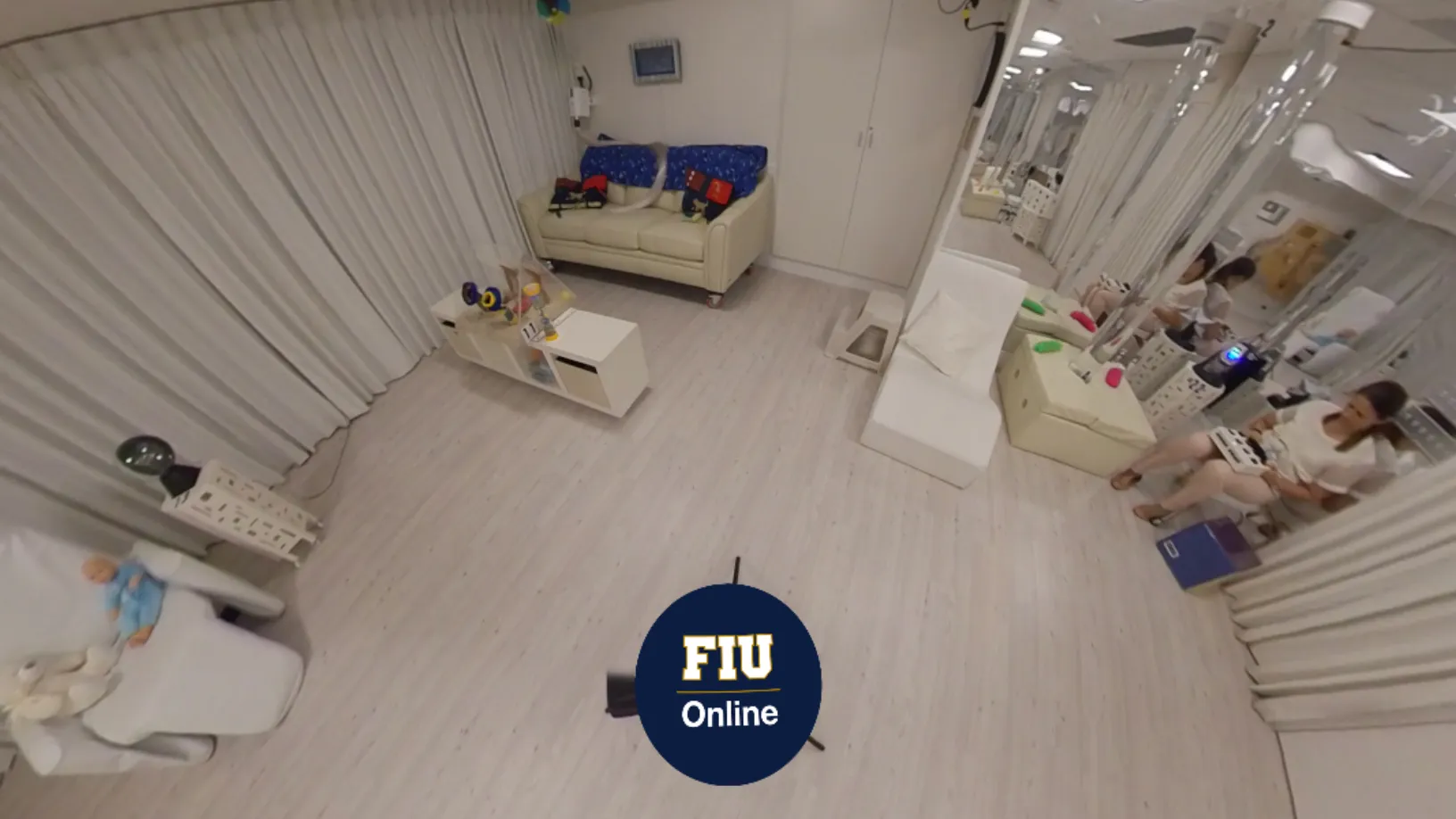
360° VR Multisensory Room Immersive & experiential learning Let students explore the sensory settings remotely and gave the program a reusable immersive experience.
A 360° virtual orientation scene of the therapeutic multisensory room walkthrough.

Principle Experiential learning + multimedia principles

The problem
Students preparing for clinical-therapy work needed to experience a therapeutic multisensory room, a physical, sensory space that not everyone could visit in person.
My role
I designed and produced a 360° walkthrough in CenarioVR, capturing the room’s calming and arousing sensory environments.
Approach
I built it as an experiential simulation: learners explore the space and its sensory settings directly rather than reading about them. It applies experiential-learning and multimedia principles to make an embodied setting learnable online.
Impact
Let students explore the sensory settings remotely and gave the program a reusable immersive experience. The footage preserves the work after FIU’s CenarioVR license ended.
What I’d carry forward
Immersive media earns its cost only when the subject is spatial or sensory. Here it was exactly right.
Alt-Scan Accessibility engineering Reduced manual review time and strengthened FIU Online accessibility compliance.
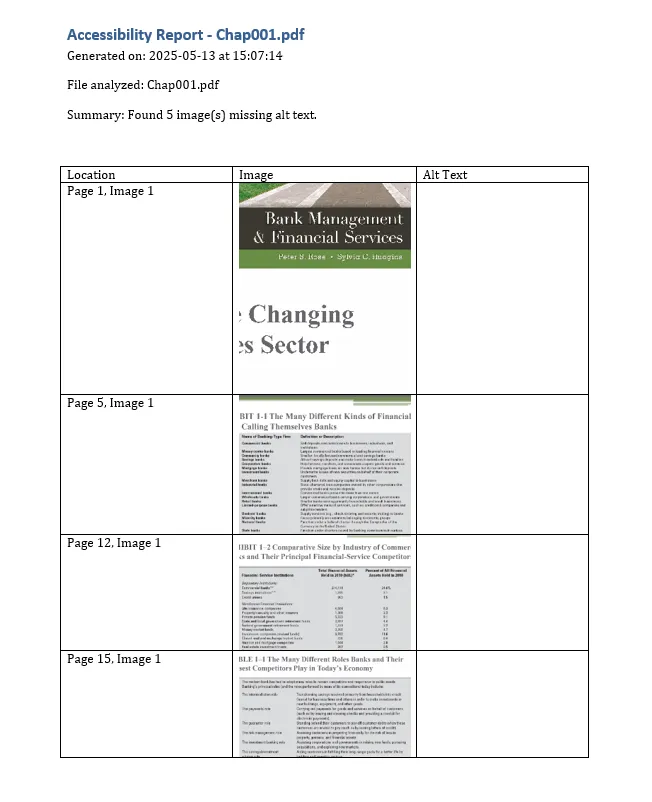
An Alt-Scan accessibility report listing document images that are missing alt text, by page.

Principle WCAG 2.1 + Universal Design for Learning

The problem
Checking hundreds of course documents for missing image alt text by hand was slow and error-prone, and every gap blocked students using screen readers.
My role
I built Alt-Scan, a Python tool that scans PDF, DOCX, and PPTX files and generates a structured report of every image missing alt text.
Approach
I treated accessibility as a design requirement, not a cleanup step: I automated the WCAG check so issues surface early, in support of Universal Design for Learning.
Impact
Reduced manual review time and strengthened FIU Online accessibility compliance. I presented it at the FIU Online ID Expo 2025, and it seeded CourseKit’s browser version.
What I’d carry forward
The fastest way to make accessibility stick is to make the check effortless. Tooling changes behavior where reminders don’t.
Master-template system Scalable, accessible course design Gave high-enrollment programs a consistent, accessible, maintainable baseline across many courses and terms.
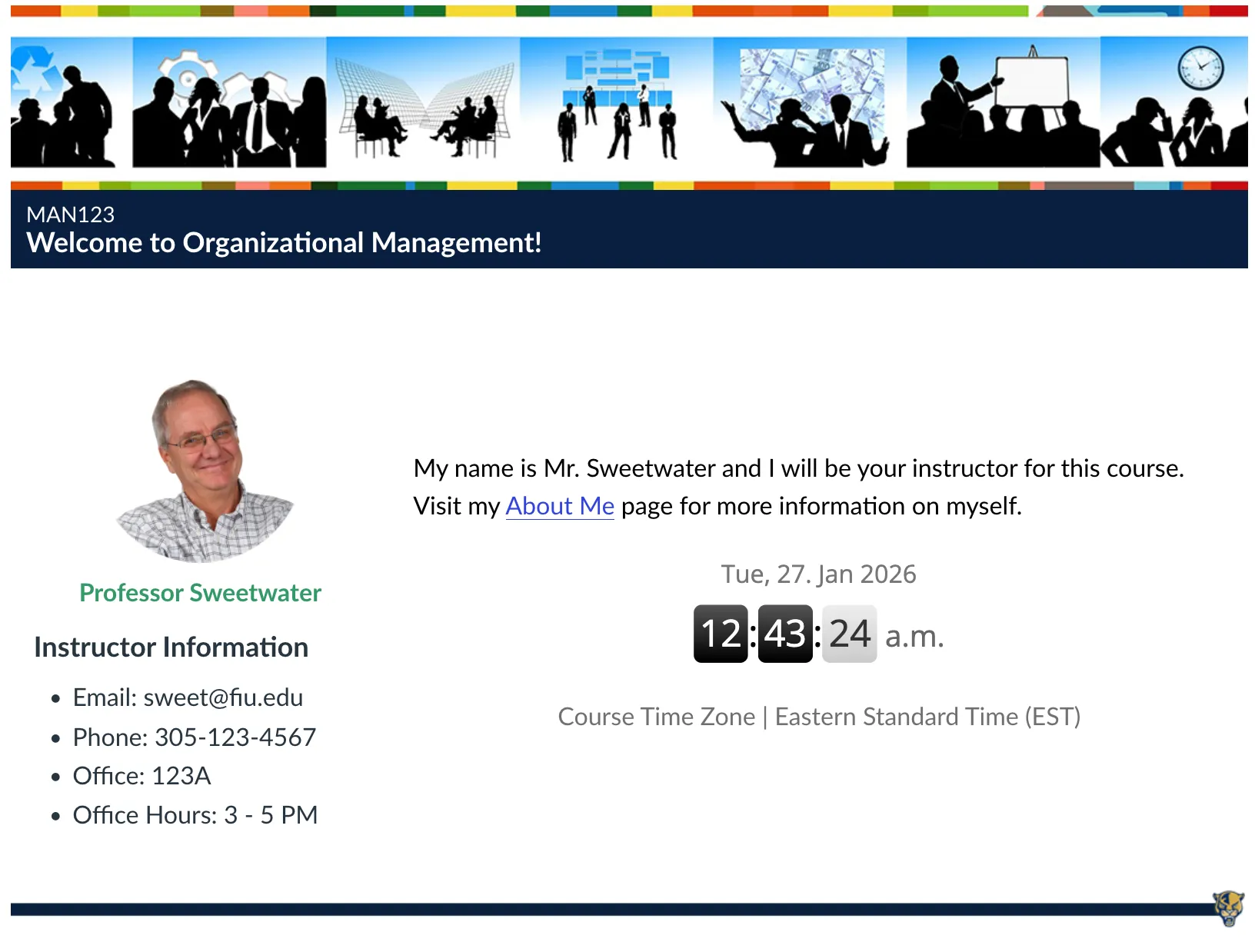
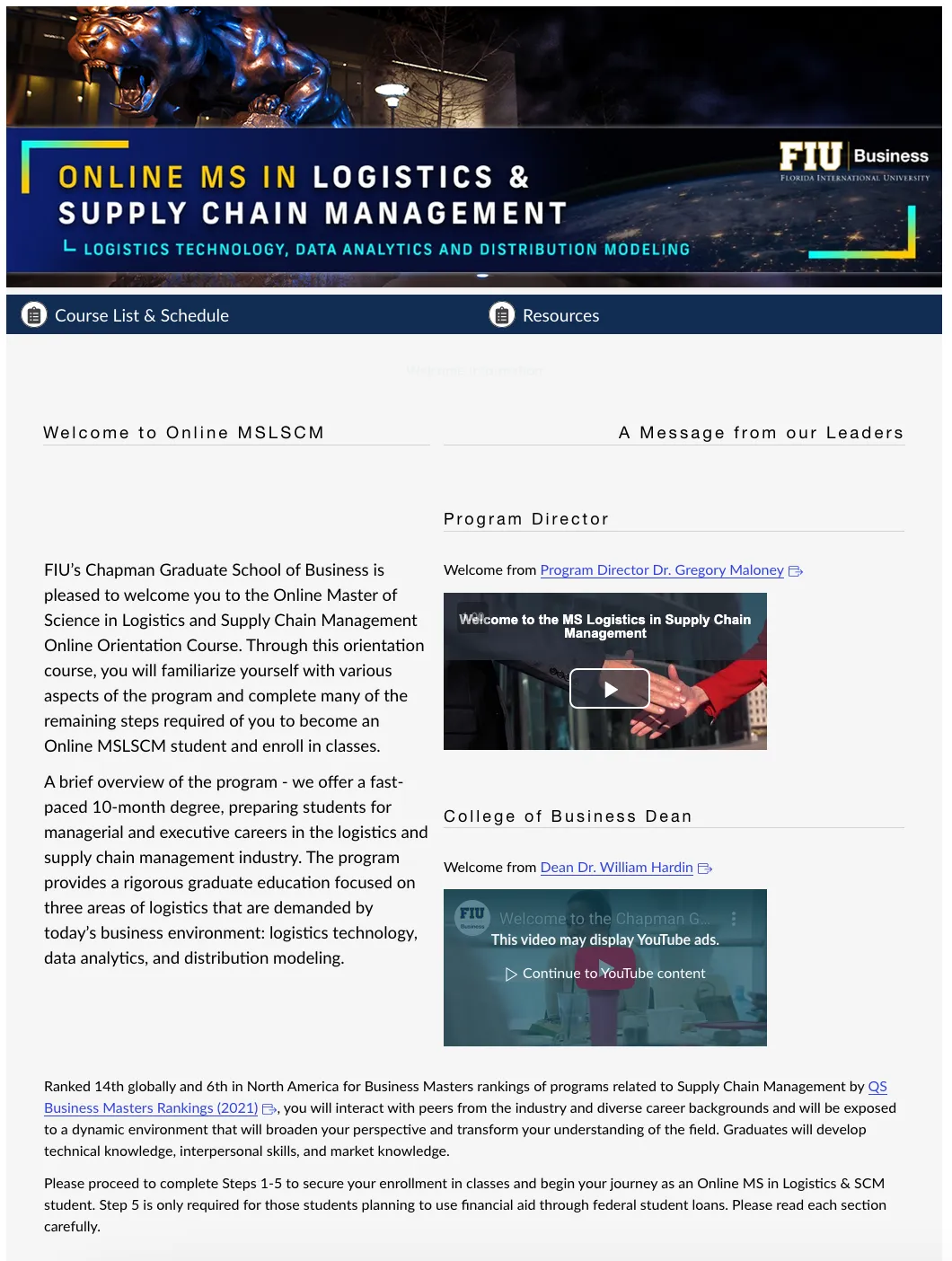
A Canvas master-template course homepage with a consistent banner, instructor card, and course information, built as a reusable program shell.

Principle Consistency → reduced cognitive load

The problem
High-enrollment online programs need every course to feel coherent and accessible, but building each from scratch is inconsistent and hard to maintain.
My role
I led program-wide master templates and orientation modules for FIU’s online graduate programs, including the M.S. in Logistics & Supply Chain Management (MSLSCM) and PMBAO.
Approach
I designed a consistent, accessible course shell with predictable navigation, structure, and styling, so students spend their attention on learning, not on relearning where things are. It builds on the accessible master template I presented at ID Talks in 2019.
Impact
Gave high-enrollment programs a consistent, accessible, maintainable baseline across many courses and terms.
What I’d carry forward
A good template is invisible. Its payoff is the friction students and faculty never feel.
FIU Online Showcase Course Exemplar course design · institutional standards Gave the instructional-design team and faculty a concrete, institution-wide model of best practice to design toward.

Principle Modeling best practice

The problem
Standards stay abstract until you can see them realized. Faculty and designers need a concrete model of what an excellent FIU Online course looks like.
My role
I contributed to FIU Online’s exemplar Showcase Course and served on the Showcase Course Committee.
Approach
We built a course that models FIU Online’s design, accessibility, and quality standards in practice, so it works as a shared reference for what “good” looks like.
Impact
Gave the instructional-design team and faculty a concrete, institution-wide model of best practice to design toward.
What I’d carry forward
An exemplar teaches faster than a rubric. People copy what they can see.

A representative screenshot is being prepared.

Faculty enablement workshops Faculty development · assessment Helped FIU Online faculty, including a College of Business cohort, grade more transparently and build more reliable Canvas assessments.
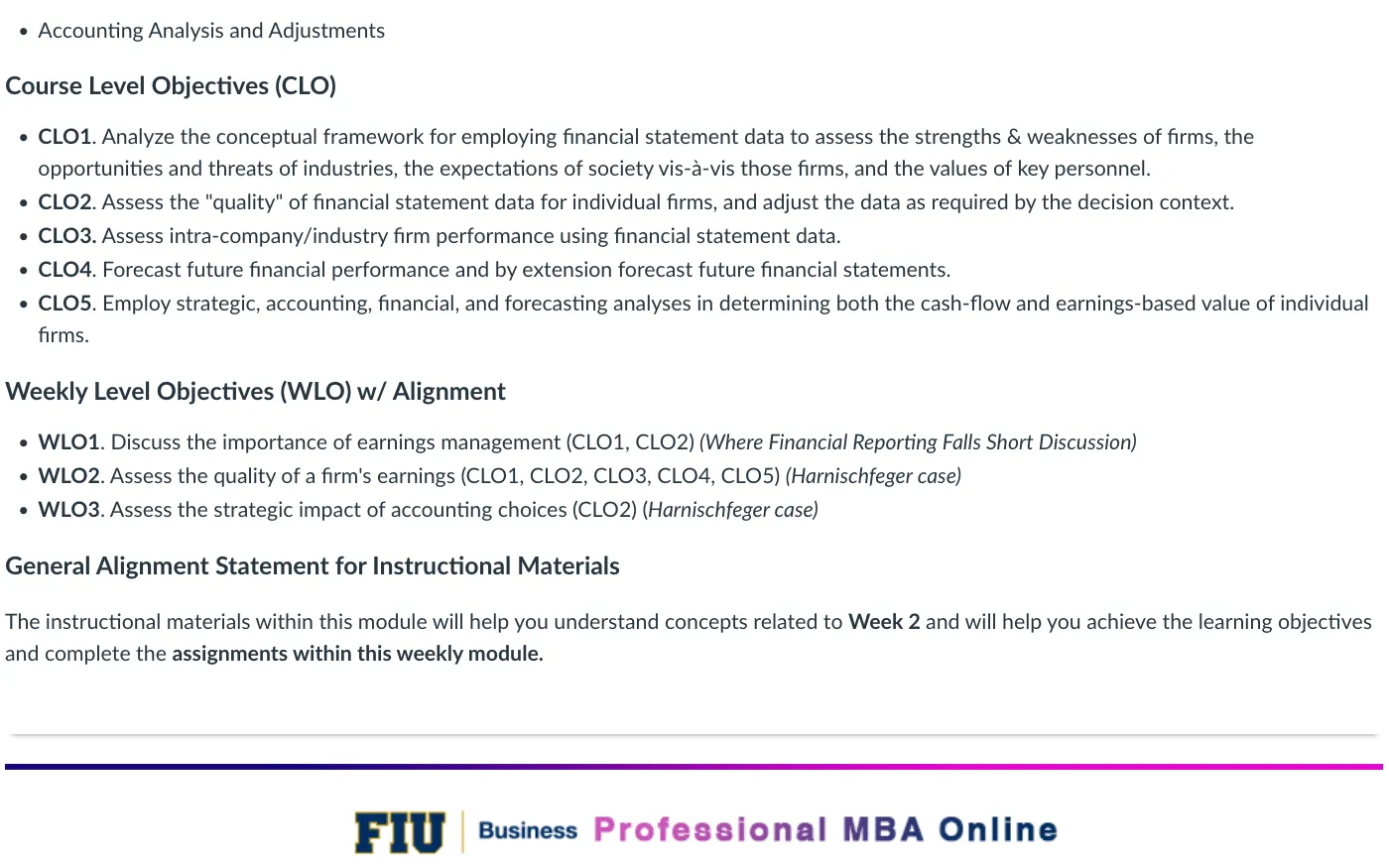
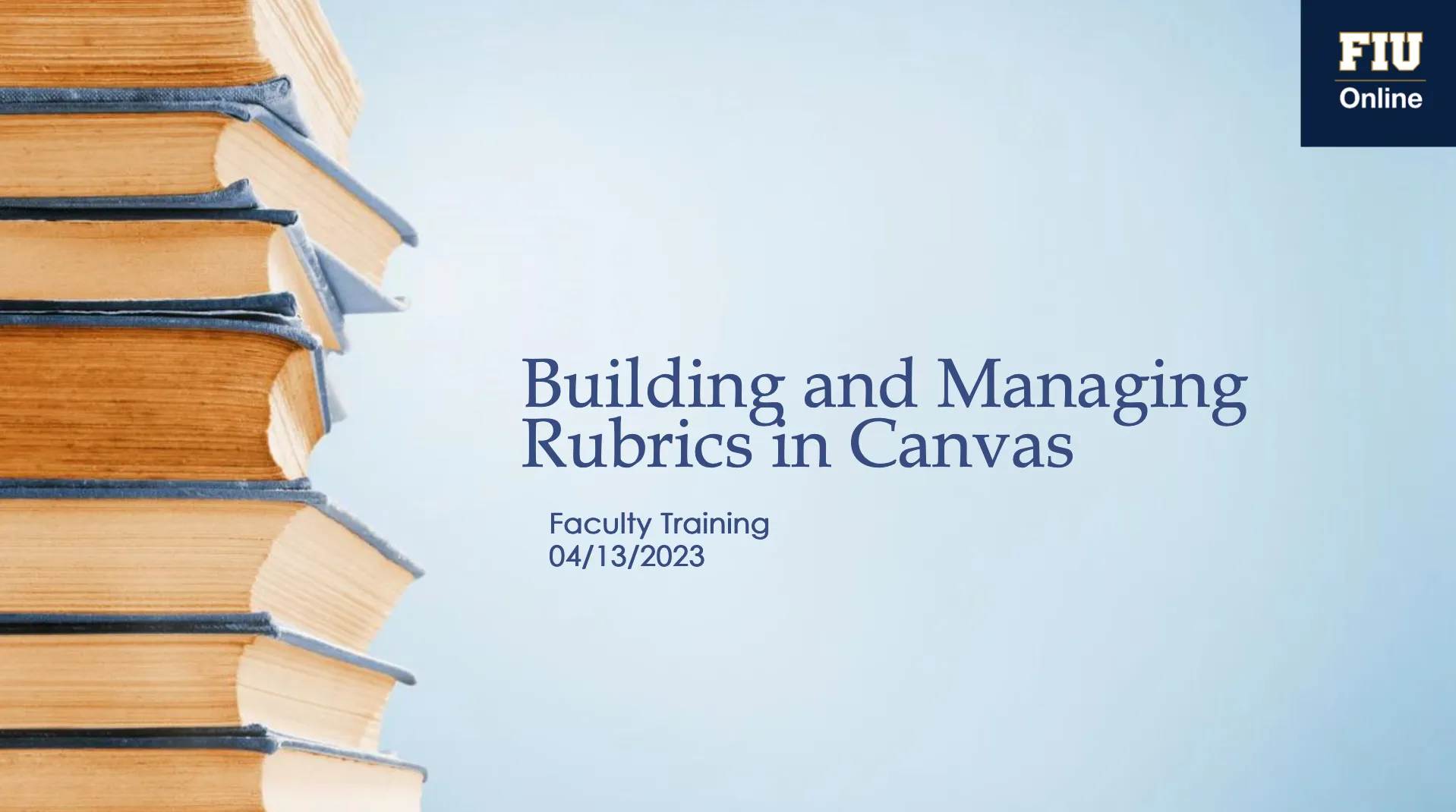
Title slide from the faculty training “Building and Managing Rubrics in Canvas.”

Principle Transparency in Learning & Teaching (TILT) + valid assessment

The problem
Faculty often build rubrics and test banks that are inconsistent or unclear, which undercuts fair grading and reliable assessment.
My role
I designed and led live faculty trainings: building and managing rubrics in Canvas for transparent grading, and creating reliable question banks and quizzes.
Approach
I taught rubrics through transparency, making criteria explicit so grading is fair and students know the target, and taught assessment through validity and alignment.
Impact
Helped FIU Online faculty, including a College of Business cohort, grade more transparently and build more reliable Canvas assessments.
What I’d carry forward
Faculty adopt a practice when it saves them time and defends their grading. Lead with that, and the theory follows.
New-hire onboarding & ID mentoring Program / staff design · mentorship Helped new instructional designers reach productive, standards-aligned work faster and built shared practice across the team.

Principle Scaffolding + adult learning

The problem
New instructional designers arrive with very different backgrounds and need to get productive on FIU Online’s tools, processes, and standards quickly.
My role
I designed and delivered new-hire onboarding on tools, processes, and FIU Online standards (2021–2024), and I informally mentor junior IDs.
Approach
I scaffolded onboarding from concrete tools toward judgment, respecting how experienced adults actually learn, hands-on and relevance-first, so new designers build confidence in sequence.
Impact
Helped new instructional designers reach productive, standards-aligned work faster and built shared practice across the team.
What I’d carry forward
Onboarding is design too: the learner is your colleague, and the same principles apply.
From Passive to Active Engagement scholarship Published in FIU Insider (2024) as practical guidance for the FIU Online teaching community.

Principle Active learning

The problem
Online courses too easily become passive content delivery, where students watch and read but never do.
My role
I wrote a practical article for FIU Online’s Insider on moving virtual courses from passive to active.
Approach
I distilled active-learning strategies into concrete, classroom-ready moves educators can apply, drawn from my own course-design work.
Impact
Published in FIU Insider (2024) as practical guidance for the FIU Online teaching community.
What I’d carry forward
Writing the strategies down clarified my own design defaults. Teaching a method tests whether you really hold it.

About

I design the courses. I build the tools.

I'm an instructional designer at FIU Online, where I've shaped courses since 2019. I design the courses students take, and build the software that makes designing them faster.

I support roughly 100 courses a term, have carried 20+ through Quality Matters certification, and review against the same rubric as a QM Peer Reviewer. CourseKit, my browser-first toolkit, grew out of that work.

An M.S. in Cybersecurity shapes how I think about privacy and technical tradeoffs, and why course tooling should run in the browser, on real instructional material, without sending it anywhere.

My work is inspectable: live tools, accessibility audits, Canvas templates, and faculty training.

Since
2019
QM-certified
20+ courses
Quality Matters
Peer Reviewer
Education
M.S. Cybersecurity, FIU
Victor Manuel Iglesias, instructional designer at FIU Online
Instructional designer FIU Online · Miami